





The types and applications of chemical pigments are numerous, and they are indispensable key materials in modern industrial production, widely used in coatings, plastics, printing, textiles, cosmetics, and other industries. This article will provide an in-depth exploration of the main types, characteristics, application areas, and selection recommendations for chemical pigments, helping readers gain a comprehensive understanding of this important material.
What Are Chemical Pigments?
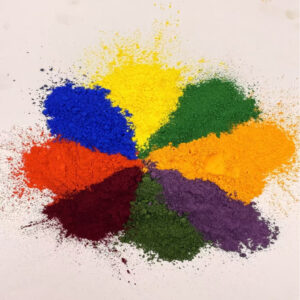
Chemical pigments refer to colored powders produced through chemical synthesis or mineral processing. They are characterized by strong tinting strength, excellent lightfastness, and high chemical stability. Unlike dyes, pigments are typically insoluble in their medium; instead, they achieve coloring effects by being dispersed within a carrier.
Main Types of Chemical Pigments
1. Inorganic Pigments
Inorganic pigments are derived from minerals or synthesized through chemical methods, offering superior lightfastness, heat resistance, and chemical stability.
Common Inorganic Pigments Include:
-
Titanium Dioxide (TiO₂): The most widely used white pigment, known for its strong opacity.
-
Iron Oxide Pigments: Provide red, yellow, brown hues with excellent weather resistance.
-
Chromium-based Pigments: Offer bright yellow, orange, and green colors.
-
Ultramarine Blue: A distinctive blue pigment, resistant to alkali but not to acid.
2. Organic Pigments
Organic pigments are based on carbon structures, offering vibrant and rich colors with high tinting strength. However, some varieties have relatively lower lightfastness and heat resistance.
Major Organic Pigment Categories:
-
Azo Pigments: Widely used yellow, orange, and red pigments.
-
Phthalocyanine Pigments: High-performance blue and green pigments with excellent stability.
-
Quinacridone Pigments: Red-purple pigments with outstanding durability.
-
Isoindolinone Pigments: High-performance yellow and orange pigments.
3. Special Effect Pigments
These pigments possess unique optical effects or functional properties.
Types of Special Effect Pigments:
-
Metallic Pigments: Such as aluminum and bronze powders, create metallic luster.
-
Pearlescent Pigments: Produce pearl-like iridescent effects.
-
Fluorescent Pigments: Absorb UV light and emit visible light, resulting in bright colors.
-
Thermochromic Pigments: Change color with temperature variations.
-
Photochromic Pigments: Exhibit color shifts when viewed from different angles.
Application Areas of Chemical Pigments
Coatings Industry
Chemical pigments are central to coloring coatings, influencing the decorative appeal, protective qualities, and functionality of coatings. They are extensively used in architectural paints, automotive coatings, and industrial paints.
Plastics Industry
Pigments impart a wide range of colors to plastic products, while some also enhance their weather resistance, heat resistance, and mechanical properties.
Printing Inks
From publication printing to packaging printing, chemical pigments determine the color performance, drying properties, and durability of inks.
Textile Industry
Pigment printing technology allows textiles to achieve vibrant patterns and designs, characterized by simple processes and environmental benefits.
Cosmetics
Cosmetic-grade pigments must meet stringent safety standards and are used in makeup products such as lipsticks, eyeshadows, and blushes.
Other Applications
-
Ceramic Glazes: Provide stable colors for ceramic products.
-
Artists’ Paints: Essential materials for artistic creation.
-
Food Packaging: Pigments compliant with food-contact safety regulations.
How to Select the Right Chemical Pigment
Selecting chemical pigments requires a comprehensive consideration of the following factors:
Technical Performance Requirements
-
Lightfastness: Outdoor applications require high lightfastness grades.
-
Heat Resistance: A critical parameter for high-temperature processes like plastic processing.
-
Chemical Resistance: Ability to withstand acids, alkalis, and solvents.
-
Dispersibility: Affects coloring uniformity and strength.
Regulations and Safety
-
Food Contact Materials: Must comply with FDA, EU, and other regulations.
-
Toys and Children’s Products: Strict limits on heavy metal content.
-
Environmental Requirements: Free from restricted substances, compliant with REACH and similar regulations.
Economic Factors
-
Tinting Strength: Impacts actual usage and cost.
-
Price: High-performance pigments typically command higher prices.
-
Supply Stability: Ensures production continuity.
Development Trends in Chemical Pigments
Eco-friendly Development
Non-toxic, low heavy-metal content, and bio-based pigments are becoming research priorities, meeting increasingly stringent environmental regulations.
High-Performance Advancements
Improving pigments’ weather resistance, heat resistance, and color vibrancy to meet the demands of high-end applications.
Functional Expansion
Developing functional pigments with special properties such as antibacterial, self-cleaning, and anti-corrosion capabilities.
Smart Applications
Expanding use of smart pigments that respond to environmental changes in fields like anti-counterfeiting and sensing.
Frequently Asked Questions
Q: What is the main difference between organic and inorganic pigments?
A: Organic pigments offer brighter colors and higher tinting strength, but some varieties have lower durability. Inorganic pigments generally have better lightfastness and heat resistance, but their colors are less vibrant.
Q: How can I assess the quality of a pigment?
A: Evaluate its tinting strength, lightfastness, heat resistance, dispersibility, and other indicators, comparing them against standard samples.
Q: Are pigments harmful to human health?
A: Pigments that comply with regulatory standards are safe when used correctly. However, pigments containing heavy metals require strict control over their application scope.
Q: Do pigments have an expiration date?
A: Pigments can be stored long-term under proper conditions (protected from light, dry, sealed), but extended storage may affect their dispersibility.
Conclusion
The types and applications of chemical pigments span a wide range from basic industries to high-tech fields. With advancements in materials science and increasing environmental requirements, the chemical pigment industry is moving towards more eco-friendly, high-performance, and multifunctional development. Correctly selecting and using chemical pigments not only enhances the aesthetic quality of products but also improves their functionality and market competitiveness.
When selecting chemical pigments, it is recommended that users consider technical performance, safety regulations, and economic factors based on specific application needs. Consulting professional suppliers or technical experts when necessary ensures optimal results and compliance.
Further Reading Resources:
-
American Coatings Association Pigment Technology Resources
-
European Pigment Manufacturers Association Safety Guidelines
-
Fundamentals and Latest Research in Pigment Chemistry
Related Internal Links:
-
Guide to Industrial Coatings Formulation
-
Impact of Environmental Regulations on the Pigment Industry