
Introduction: The Curing Agent as the Performance “Decision-Maker”
Choosing the right curing agent for epoxy resin system is far more than selecting a simple additive; it is about selecting the chemical reaction partner that determines the final product’s mechanical properties, chemical resistance, thermal stability, and processing characteristics. Statistics show that over 30% of epoxy application failures are directly related to improper curing agent selection or ratio. Whether for high-performance composites, durable flooring coatings, or precision electronic encapsulation, selecting the correct curing agent for the epoxy resin system is the cornerstone of achieving design goals and ensuring product reliability. This guide provides a systematic decision-making framework to help you pinpoint the optimal solution for your application. For foundational knowledge on polymer curing mechanisms, refer to this research published in the Journal of Applied Polymer Science.
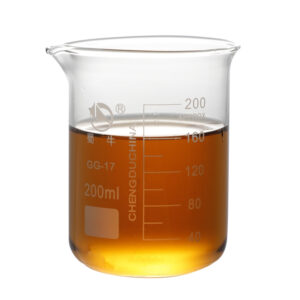
Different types of curing agents for epoxy resin systems vary in chemical structure and performance.
Core Understanding: How Do Epoxy Curing Agents Work?
Before choosing a curing agent for epoxy resin system, understand its chemical essence: the curing agent (or hardener) undergoes an addition polymerization reaction with the epoxy groups on the resin molecules, forming a three-dimensional cross-linked network. The chemical mechanism, reaction speed, and completeness of this process directly determine the performance ceiling of the cured material. The reaction kinetics and principles follow well-established polymer science fundamentals.
Systematic Selection Guide: Four Steps to Lock in the Best Curing Agent
Step 1: Clearly Define the End-Application Requirements
All choices start with the final use. Answer these questions based on your product:
| Performance Dimension | Key Questions | Impact on Curing Agent Choice |
|---|---|---|
| Mechanical Properties | High hardness or high toughness? Impact resistance requirements? | Aliphatic amines offer high hardness; polyamidoamines provide high toughness; modified amines balance both. |
| Heat Resistance | Maximum continuous service temperature? Any short-term thermal peaks? | Aromatic amines and anhydrides offer high glass transition temperatures (Tg >150°C); aliphatic amines typically have lower Tg. |
| Chemical Resistance | Exposure to which chemicals (acids, bases, solvents)? | Aliphatic and aromatic amines generally offer excellent chemical resistance; polyamidoamines are more tolerant of damp conditions. |
| Processing Conditions | Constraints on cure temperature and time? Room temperature or heat cure? | Aliphatic amines and polyamidoamines cure at room temperature; aromatic amines and anhydrides usually require heat. |
| Safety & Compliance | Requirements for low toxicity, low VOC, or bio-based content? | Some modified amines and polyamidoamines feature low toxicity/odor; bio-based curing agents are a growing trend. Ensure compliance with global regulations like EU REACH. |
Step 2: Know the Main Curing Agent Types and Their Properties
When choosing a curing agent for epoxy resin system, you must understand key chemical families. The Epoxy Resin Formulators Association (ERFA) provides excellent educational resources on these categories.
- Amine-based Curing Agents (Most Common)
- Aliphatic Amines: Fast room-temperature cure, high hardness, good chemical resistance; but short pot life and higher brittleness.
- Polyamidoamines: Derived from dimerized fatty acids, excellent toughness, long pot life, good adhesion to damp surfaces; relatively lower heat resistance.
- Aromatic Amines (e.g., DETDA, MDA): Require heat cure, provide very high heat resistance, Tg, and mechanical strength; common in aerospace composites.
- Modified Amines/Mannich Bases: Balance reactivity and toughness via chemical modification, often with better compatibility and longer pot life.
- Anhydride Curing Agents
- Low viscosity, long pot life, mild exotherm, excellent electrical properties, and low shrinkage in cured product.
- Drawbacks: Typically require higher temperature cure (>100°C) and an accelerator, sensitive to moisture.
- Latent Curing Agents
- e.g., Dicyandiamide, Imidazole derivatives. Stable at room temperature (one-component storage), rapidly activated at specific temperatures (e.g., >120°C).
- Key technology for achieving one-component, storable epoxy systems.
Step 3: Perform Key Calculations and Compatibility Tests
- Calculate the Chemical Stoichiometry: The foundation for scientific formulation.
- Formula:
Parts Curing Agent (per 100 parts resin) = (Amine Hydrogen Equivalent Weight AHEW / Epoxy Equivalent Weight EEW) × 100 - Purpose: Ensures complete reaction between epoxy groups and active hydrogen, preventing performance loss from incorrect ratios. Accurate EEW determination should follow standardized methods like ASTM D1652.
- Formula:
- Evaluate Processing Parameters:
- Mix Viscosity & Pot Life: Affects operability and feasibility for automated production.
- Gel & Cure Time: Determines production cycle and mold turnover time.
- Exotherm Peak: For large mass castings, excessive reaction heat can cause internal stress cracks or uneven properties.
Step 4: Application-Specific Selection Guide
- Industrial Flooring Coatings: Recommend modified aliphatic amines or fast-cure polyamidoamines. Key: Fast room-temperature cure (walkable in 4-8 hours), high crack resistance, resistance to cleaners and oils.
- Fiber-Reinforced Composites: Recommend aromatic amines or anhydrides. Key: Low viscosity for fiber wet-out, high Tg, low exotherm, excellent mechanical strength retention. The American Composites Manufacturers Association (ACMA) offers detailed guidelines for composite processing.
- Electronic Encapsulation & Potting: Recommend anhydrides or specialty modified amines. Key: Low stress, low ionic content, excellent electrical insulation, good thermal conductivity. Material selection should consider industry standards from IPC (Association Connecting Electronics Industries). For related formulations, see our guide on High-Performance Potting Compounds.
- Adhesives & Structural Bonding: Recommend tough polyamidoamines or fast-cure aliphatic amines. Key: High peel strength, adhesion to diverse substrates, adequate open time.
Avoiding Common Pitfalls: Practical Insights in Curing Agent Selection
- Problem: Incomplete Cure or Sticky Surface
- Causes: Incorrect ratio, poor mixing, low ambient temperature (<15°C), high humidity causing amine reaction with CO₂.
- Solutions: Precise weighing, thorough stirring, ensure ambient temperature >15°C, select moisture-tolerant hardeners.
- Problem: Pot Life Too Short for Operation
- Causes: Highly reactive aliphatic amine selected, high ambient temperature, large batch size causing self-heating.
- Solutions: Switch to polyamidoamine or add retarder, lower mix temperature, prepare in smaller batches.
- Problem: Excessive Brittleness or Low Strength After Cure
- Causes: Curing agent type mismatched with toughness requirements, insufficient cure schedule.
- Solutions: Select tough curing agents (e.g., polyamidoamines), ensure adequate cure time and temperature. For a deep dive into troubleshooting, see our technical bulletin on Solving Common Epoxy Curing Defects.
Senova-Chem Curing Agent Solutions: Empowering Your Success
We offer a comprehensive product portfolio to help you precisely choose the right curing agent for your epoxy resin system. Explore our full Curing Agents Product Line.
- SN-Cure-100 Series (Standard): Cost-effective solutions for general industrial needs.
- SN-Cure-200 Series (High-Performance): Includes specialty grades for high heat resistance, high toughness, ultra-fast cure, etc.
- SN-Cure-300 Series (Eco-Safe): Low-VOC, low-odor, and bio-based products meeting stringent environmental requirements.
Beyond products, we provide technical support, including formulation review, sample testing, and failure analysis. Download our Epoxy Formulator’s Technical Handbook for advanced tips.
Conclusion: Making an Informed, Scientific Choice
Choosing the right curing agent for epoxy resin system is a scientific decision-making process that seeks the optimal balance between performance, processing, and cost. There is no “universal” option, only the “best fit” for a specific scenario. By following the systematic framework outlined here—from defining needs and understanding chemistry to precise calculation and validation testing—you can maximize the potential of your epoxy system to create reliable, market-competitive products. For continuous learning, the MatWeb Materials Database is an invaluable resource for comparing material properties.
Take Action Now: The most reliable path is to conduct sample testing. For customized recommendations or samples tailored to your specific application, please visit senova-chem.com/contact to contact our technical team.
Key Resources for Further Learning:
- ASTM International – For material testing standards (e.g., ASTM D1652).
- American Composites Manufacturers Association (ACMA) – For composite industry best practices.
- IPC – For standards in electronics manufacturing.
- MatWeb Material Property Data – For comparing polymer and curing agent properties.
- European Chemicals Agency (ECHA) – For information on EU REACH compliance.
Note: All external links open in a new tab for your convenience. Internal links guide you to related content on our site.