





Introduction: The Critical Role of Titanium Dioxide in Industrial Coatings
Titanium dioxide for industrial coatings represents more than just a pigment—it’s the fundamental component that determines optical performance, durability, and cost-effectiveness in countless coating applications. As the global industrial coatings market continues to expand, driven by infrastructure development and technological advancements, selecting the right titanium dioxide grade has become increasingly critical for manufacturers worldwide. This comprehensive guide explores the technical specifications, selection criteria, and application best practices for titanium dioxide in industrial coatings, providing actionable insights for formulators and purchasing managers seeking to optimize their coating systems.
https://senova-chem.com/super-white-type-s-20/
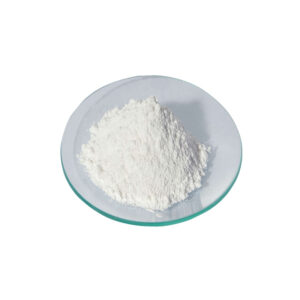
High-performance titanium dioxide powder specifically engineered for industrial coating applications
Understanding Titanium Dioxide: Properties and Manufacturing Processes
Crystal Structure Variations
Titanium dioxide for industrial coatings primarily comes in two crystal structures, each with distinct characteristics:
ثاني أكسيد التيتانيوم الروتيل:
-
معامل الانكسار: 2.7 (highest among white pigments)
-
Durability: Excellent weather resistance and UV stability
-
Applications: Over 90% of exterior industrial coatings utilize rutile grades
-
Key Benefit: Superior opacity and exterior durability
ثاني أكسيد التيتانيوم من نوع الأناتاز:
-
معامل الانكسار: 2.55
-
Whiteness: Slightly brighter than rutile
-
Limitations: Poor weather resistance due to photocatalytic activity
-
Applications: Primarily indoor coatings with minimal UV exposure
Manufacturing Methods Impacting Performance
The production process significantly influences the performance of titanium dioxide for industrial coatings:
| Manufacturing Process | Key Characteristics | Typical Applications |
|---|---|---|
| Sulfate Process | Broader particle distribution, cost-effective | General-purpose industrial coatings |
| Chloride Process | Narrower particle size, higher purity | High-performance automotive and coil coatings |
| Specialized Treatments | Surface-modified for specific properties | Extreme environment protective coatings |
Technical Specifications: Evaluating Titanium Dioxide for Industrial Coatings
Critical Performance Metrics
When selecting titanium dioxide for industrial coatings, consider these essential parameters:
1. Opacity and Hiding Power
Opacity, measured by contrast ratio, determines how effectively a coating hides the substrate. High-performance titanium dioxide for industrial coatings typically achieves contrast ratios above 0.98 with optimal particle size distribution between 0.2-0.3 microns.
2. Weather Resistance and Durability
Advanced surface treatments with alumina, silica, or zirconia significantly enhance the weather resistance of titanium dioxide for industrial coatings. These treatments:
-
Reduce photocatalytic activity
-
Improve dispersion stability
-
Enhance chemical resistance
-
Extend coating service life by up to 40%
3. Dispersion Characteristics
Efficient dispersion of titanium dioxide for industrial coatings reduces processing time and energy consumption while ensuring uniform optical properties. Key factors include:
-
Oil absorption values (typically 16-22 g/100g)
-
Surface treatment compatibility
-
Resistance to flocculation
Application-Specific Selection Guide for Titanium Dioxide in Industrial Coatings
Automotive Coatings
Titanium dioxide for industrial coatings in automotive applications requires exceptional properties:
-
High gloss retention under UV exposure
-
Excellent stone chip resistance
-
Consistent color matching across production batches
-
Compatibility with clear coat systems
Recommended specification: Chloride-process rutile TiO₂ with specialized organic surface treatment
Protective and Marine Coatings
For corrosive environments, titanium dioxide for industrial coatings must provide:
-
Enhanced barrier properties against moisture and chemicals
-
Superior corrosion inhibition
-
Long-term color stability in harsh conditions
-
Resistance to salt spray and industrial pollutants
Recommended specification: High-durability rutile TiO₂ with silica/alumina surface treatments
Coil Coatings
The fast-curing nature of coil coatings demands specific characteristics in titanium dioxide for industrial coatings:
-
Rapid dispersion for high-speed application
-
Thermal stability at curing temperatures up to 250°C
-
Consistent optical properties across varying film builds
-
Formulation flexibility for different resin systems
Recommended specification: Easily dispersible TiO₂ with optimized particle size distribution
Formulation Best Practices with Titanium Dioxide for Industrial Coatings
Dispersion Optimization Techniques
Proper dispersion of titanium dioxide for industrial coatings maximizes performance and minimizes production issues:
Step-by-Step Dispersion Protocol:
-
Premixing: Combine titanium dioxide with appropriate dispersants and part of the resin
-
High-Shear Mixing: Apply sufficient energy to break down agglomerates
-
Milling: Use appropriate grinding media for final particle size reduction
-
Letdown: Incorporate remaining components under controlled agitation
Common Dispersion Challenges and Solutions:
-
Flocculation: Adjust dispersant type and concentration
-
Settlement: Incorporate anti-settling agents
-
Viscosity Increase: Optimize pigment volume concentration (PVC)
PVC (Pigment Volume Concentration) Considerations
The PVC level significantly affects coating properties when using titanium dioxide for industrial coatings:
| PVC Range | Coating Characteristics | Typical Applications |
|---|---|---|
| 10-20% | High gloss, excellent durability | Automotive topcoats, high-gloss industrial finishes |
| 20-35% | Balanced properties, cost-effective | General industrial coatings, machinery paints |
| 35-50% | Increased opacity, reduced cost | Primer systems, interior industrial coatings |
Cost Optimization Strategies with Titanium Dioxide for Industrial Coatings
Efficiency Enhancement Approaches
Maximize the value of titanium dioxide for industrial coatings through these strategies:
Opacity Enhancement Techniques:
-
Particle packing optimization: Combine different particle sizes for maximum light scattering
-
Extender pigment selection: Choose complementary extenders that enhance hiding
-
Formulation adjustments: Optimize resin selection and additive packages
Total Cost of Ownership Analysis:
When evaluating titanium dioxide for industrial coatings, consider:
-
Raw material cost per kilogram
-
Dispersion energy requirements
-
Processing time and equipment utilization
-
Final coating performance and service life
Sustainability and Environmental Considerations
Low-VOC and Compliance Formulations
Modern titanium dioxide for industrial coatings must address environmental regulations:
-
Low-dusting grades reduce workplace exposure
-
High-efficiency options enable lower VOC formulations
-
Recyclability considerations for end-of-life coatings
-
Sustainable sourcing of raw materials
Industry Trends and Future Developments
The future of titanium dioxide for industrial coatings includes:
-
Nano-engineered particles for enhanced properties
-
Surface modifications for specific application requirements
-
Digital color matching and formulation optimization
-
Enhanced durability for extended maintenance cycles
Comparative Analysis: Titanium Dioxide vs. Alternative Pigments for Industrial Coatings
While titanium dioxide for industrial coatings remains the dominant white pigment, understanding alternatives is valuable:
| Pigment Type | Opacity | Durability | Cost | أفضل التطبيقات |
|---|---|---|---|---|
| Titanium Dioxide | ممتاز | Superior | Higher | Most exterior and high-performance coatings |
| Zinc Oxide | جيد | Good (anti-microbial) | معتدل | Specialized protective coatings |
| Lithopone | معتدل | معقول | Lower | Cost-sensitive interior applications |
| Calcium Carbonate | Poor | معقول | Low | Extender pigment in combination with TiO₂ |
Technical Resources and Further Reading
For those working with titanium dioxide for industrial coatings, these resources provide valuable information:
-
ASTM D476 Standard for titanium dioxide pigments
-
ISO 591 International Standard for classification of titanium dioxide
-
Technical papers on dispersion optimization and surface treatments
-
Case studies from leading coating manufacturers
External Resources:
Conclusion: Optimizing Your Industrial Coatings with the Right Titanium Dioxide
Selecting and properly utilizing titanium dioxide for industrial coatings represents a critical decision that impacts product performance, manufacturing efficiency, and overall profitability. By understanding the technical specifications, application requirements, and formulation principles outlined in this guide, coating manufacturers can make informed decisions that enhance their competitive position in the global market.
The continuous development of specialized titanium dioxide for industrial coatings grades offers opportunities for innovation and differentiation. As environmental regulations evolve and performance expectations increase, partnering with knowledgeable suppliers and staying informed about technological advancements will be essential for long-term success in the industrial coatings sector.
Professional Recommendation: Before finalizing your selection of titanium dioxide for industrial coatings, conduct comprehensive testing under conditions that simulate your actual application environment. This investment in evaluation ensures optimal performance and cost-effectiveness for your specific requirements.
Next Steps: For technical specifications, samples, or formulation support with titanium dioxide for industrial coatings, contact our technical team through senova-chem.com. We provide application-specific guidance and testing support to help you achieve optimal results with your industrial coating formulations.